
Tired of Lint Buildup? We Clean Your Dryer Vents!
Dryer Vent Cleaning Services – Fast, Reliable, and Affordable, Guaranteed!
Get Your Free Quote
Fast response · No obligation · Up to 50% off
Safer, More Efficient Drying
At THE HVAC Cleaners, we specialize in dryer vent cleaning to improve safety, efficiency, and indoor air quality. Prevent fire hazards, lower energy bills, and keep your dryer running efficiently.
-
Local Experts You Can TrustCertified professionals experienced in residential & commercial dryer vent cleaning.
-
Fast, Reliable ServicePrompt and efficient dryer vent cleaning you can depend on.
-
Affordable PricingHigh-quality dryer vent cleaning at competitive rates with no hidden fees.
-
Safety-Focused SolutionsWe remove lint buildup, reduce fire risks, and improve dryer performance.
-
Satisfaction GuaranteedWe stand behind every job for your peace of mind.
Our Dryer Vent Cleaning Includes
Complete lint & debris removal
Fire-hazard reduction
Improved dryer efficiency
Lower energy bills
Full vent line inspection
Protect Your Home From Lint Fires
Free, no-obligation quote — fast, professional dryer vent cleaning.
Call +1 (713) 925-9611Explore more: Air Duct Cleaning · Dryer Vent Cleaning · Areas We Serve
Signs Your Dryer Vent Needs Cleaning
Most homeowners don’t think about their dryer vent until something goes wrong — but your dryer is usually sending warning signs long before that happens. Knowing what to look for can save you money on energy bills and, more importantly, reduce the risk of a house fire.
Here are the most common signs your dryer vent is overdue for a cleaning:
- Clothes take longer than one cycle to dry. If you’re running the same load twice just to get it fully dry, restricted airflow is almost always the cause.
- The dryer feels hot to the touch. A dryer working harder than it should often overheats on the outside, especially around the front panel and door.
- You notice a burning smell during a cycle. This is one of the clearest warning signs of built-up lint and should never be ignored.
- The laundry room feels unusually warm or humid. When vents are blocked, heat and moisture that should be exhausted outside end up trapped indoors instead.
- Little to no airflow at the outside vent hood. Step outside while the dryer is running — if you can’t feel strong air movement at the exterior vent, there’s a blockage somewhere in the line.
- Visible lint around the dryer or vent opening. Lint escaping around the edges of the vent connection is a sign the duct itself is packed tighter than it should be.
- It’s been over a year since your last cleaning. Even without obvious symptoms, lint builds up gradually and silently inside the vent run.
If two or more of these sound familiar, it’s worth having the vent line inspected before the next load of laundry.
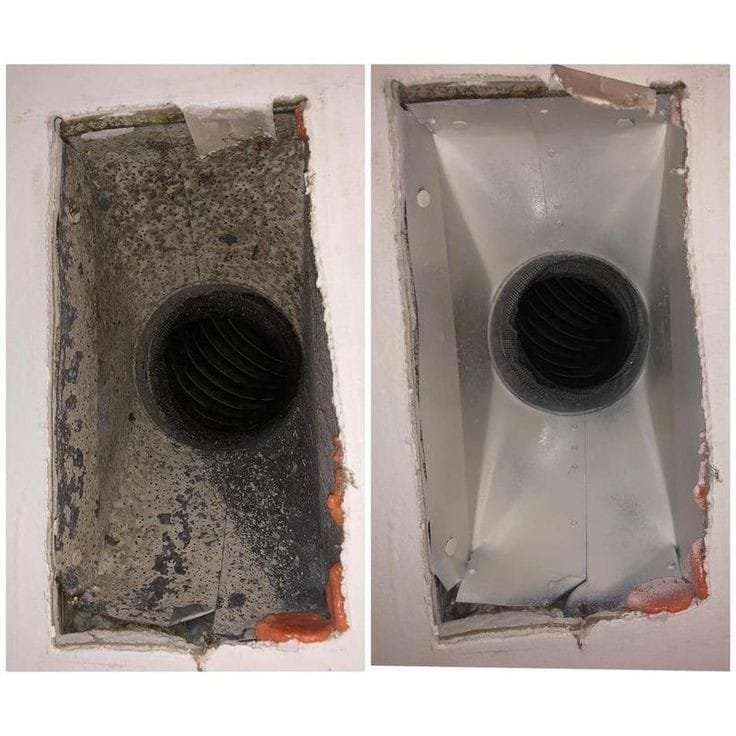
How Often Should Dryer Vents Be Cleaned?
For most households, once a year is the standard recommendation — but that number shifts depending on how the dryer is used and how the vent line is set up.
Homes that should consider cleaning more frequently, closer to every 6–9 months, include:
- Larger families doing multiple loads of laundry per week
- Households with pets that shed heavily, since pet hair adds to lint buildup faster than fabric lint alone
- Homes where the dryer vent run is unusually long or has multiple bends, since lint collects more easily at turns
- Homes where the dryer is used daily rather than a few times a week
On the other hand, smaller households running the dryer less often may be fine with cleaning closer to the 12-month mark, as long as none of the warning signs above show up sooner. The safest approach is to treat the calendar as a guideline, not a strict rule — if your dryer starts acting differently, that’s your real signal.
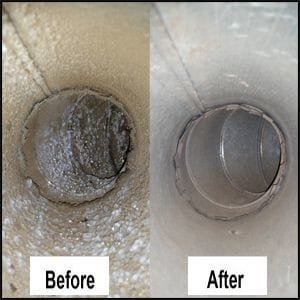
What Causes Dryer Vents to Clog?
Lint is the most obvious culprit, but it’s rarely the only factor. A few things speed up the buildup process:
- Long or winding vent runs. The farther the exhaust air has to travel, and the more turns it has to make, the more lint settles along the way instead of exiting outside.
- Crushed or kinked flexible ducting. Flexible foil or plastic vent hose is prone to sagging or getting crushed behind the dryer, creating pockets where lint accumulates.
- Bird or rodent nests in the exterior vent. Outdoor vent openings are an easy target for nesting animals, which can block airflow almost entirely.
- Using the wrong type of venting material. Older homes sometimes still have plastic or vinyl ducting, which is more prone to sagging and trapping lint compared to rigid metal venting.
- Overloading the dryer regularly. Bigger loads mean more lint generated per cycle, which adds up faster over time.
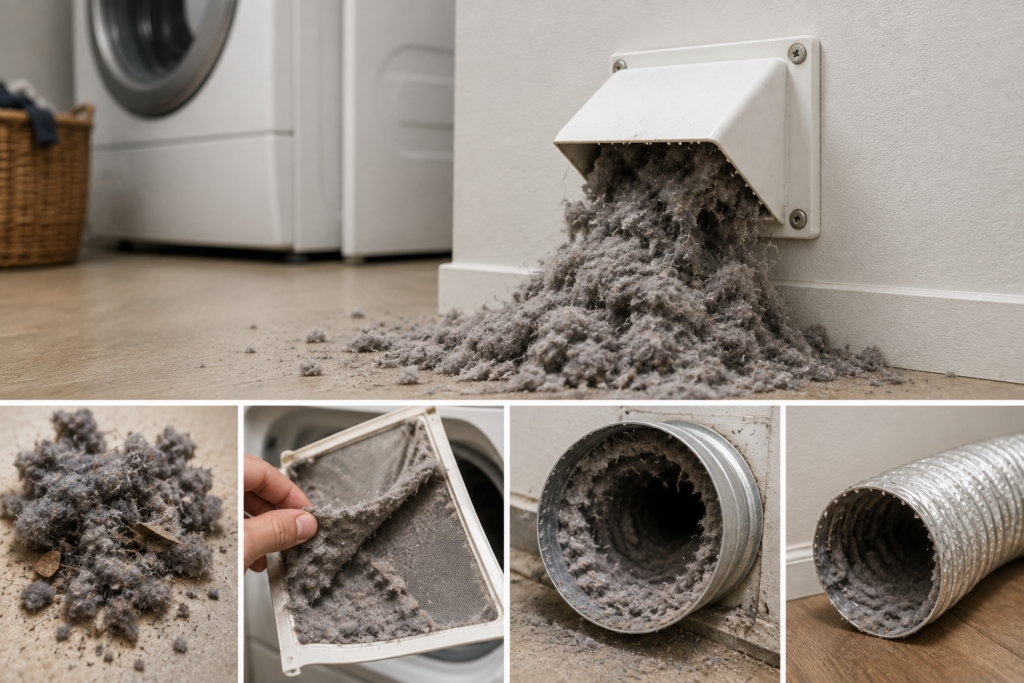
Why Dryer Vent Cleaning Matters More Than People Think
It’s easy to treat dryer vent cleaning as a minor chore, but the risks tied to a neglected vent line go beyond a slower drying cycle.
Fire risk. Lint is highly flammable, and when it builds up around the dryer’s heating element in a poorly ventilated system, it creates the exact conditions needed for a fire to start. This is consistently cited as one of the leading causes of residential appliance fires, which is why fire departments and appliance manufacturers alike recommend annual cleaning.
Energy costs. A blocked vent forces your dryer to work harder and run longer to dry the same load, which shows up directly on your utility bill. Over the course of a year, that added energy use can add up to a meaningful amount, especially for households doing laundry several times a week.
Appliance lifespan. Dryers that constantly overheat due to restricted airflow wear down faster. Components like the heating element and thermal fuse are especially vulnerable to repeated overheating, which can lead to costly repairs or an early replacement.
Indoor air quality. When vents are blocked, some of that hot, moist exhaust air can back up into the home instead of venting outside, contributing to excess humidity that encourages mold growth in the laundry area.
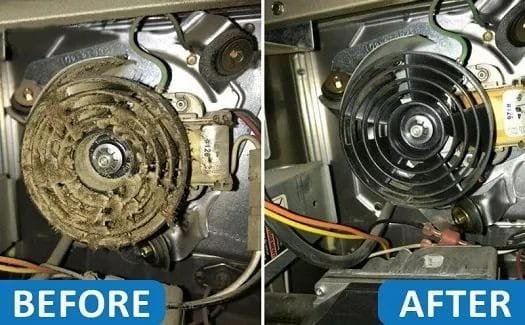
DIY Dryer Vent Cleaning vs. Professional Service
Some homeowners try to handle basic dryer vent maintenance themselves, and for very short, straight vent runs, that’s sometimes manageable with the right tools — a vent cleaning brush kit and a shop vacuum. However, DIY cleaning has real limitations:
- It typically only reaches the first several feet of ducting, leaving longer runs partially cleaned at best
- It doesn’t address bends, kinks, or damaged sections that are common in older installations
- There’s no way to fully inspect the exterior vent hood or confirm proper airflow without specialized equipment
- Attempting to disconnect and reconnect vent lines incorrectly can create bigger airflow problems than the original clog
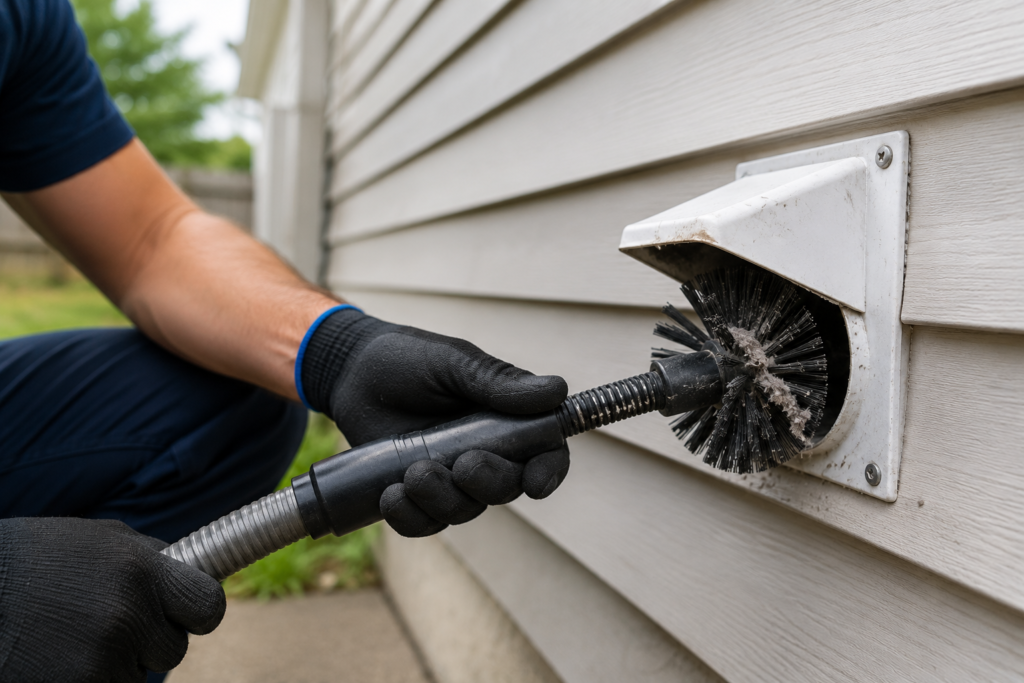
Professional dryer vent cleaning uses higher-powered equipment designed to clear the entire vent run — from the back of the dryer all the way to the exterior exhaust point — along with a full inspection to catch damaged sections, disconnected joints, or improperly sized ducting that a DIY approach would miss entirely.
What Affects the Cost of Dryer Vent Cleaning?
Pricing for dryer vent cleaning isn’t one-size-fits-all. A few factors typically influence the final cost:
- Length of the vent run. Shorter, straight runs cost less to clean than long runs with multiple bends
- Vent location. Vents that are difficult to access, such as those running through multiple floors or tight crawl spaces, may require additional time
- Level of buildup. A vent that hasn’t been cleaned in several years often takes longer to fully clear than one on a regular annual schedule
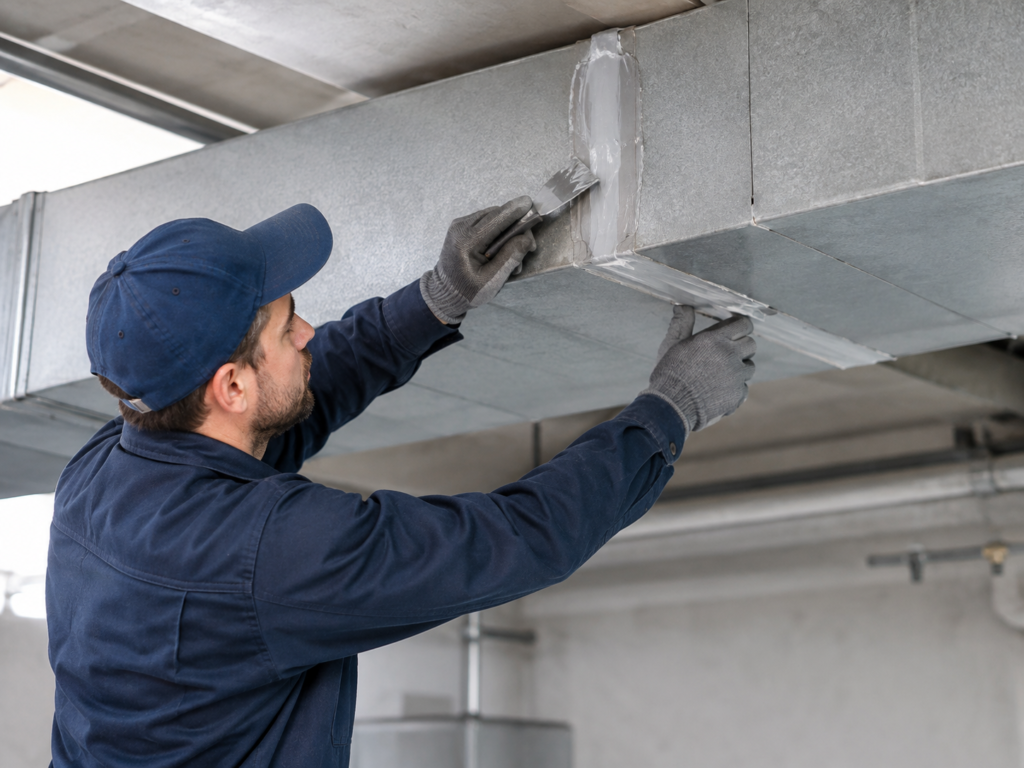
- Bundled services. Some providers offer discounted pricing when dryer vent cleaning is combined with air duct cleaning, since technicians are already on-site with the necessary equipment
Getting a straightforward, itemized quote before scheduling service is the best way to understand exactly what’s included and avoid surprise charges.
Frequently Asked Questions
Can a clogged dryer vent really cause a fire?
Yes. Lint is highly combustible, and when airflow is restricted, heat builds up around the dryer’s internal components instead of properly venting outside. This combination is a well-documented fire risk, which is why annual cleaning is widely recommended by fire safety organizations.
How do I know if my dryer vent run is too long?
As a general guideline, vent runs longer than 25 feet (or shorter runs with several tight bends) are considered more prone to lint buildup and may need more frequent cleaning or a booster fan to maintain proper airflow.
Will cleaning my dryer vent actually lower my energy bill?
In most cases, yes. A clear vent line lets your dryer complete a cycle faster and with less strain, which reduces the amount of energy used per load compared to a restricted, overworking system.
Is dryer vent cleaning different from lint trap cleaning?
Yes, and this is a common point of confusion. Cleaning the lint trap after every load only removes a portion of the lint — the rest travels further down the vent line and accumulates over time. Vent cleaning addresses that deeper buildup that a lint trap alone can’t catch.
What's the difference between dryer vent cleaning and air duct cleaning?
Dryer vent cleaning focuses specifically on the exhaust line connected to your dryer, while air duct cleaning addresses the ductwork tied to your home’s heating and cooling system. Both improve air quality and system efficiency, but they’re separate services targeting different parts of the home.